House clearance in St Johns Wood

St Johns Wood House Clearance provides house clearance in St Johns Wood with a clear, practical approach to removing unwanted contents from homes, flats and inherited properties. We focus on sorting, lifting, loading and taking away household items so rooms can be handed over, refurbished or simply made easier to use again. The service can cover single rooms, fuller clearances and combined household contents where different items need different handling.
Our work is centred on careful clearance planning, sensible segregation of reusable items and responsible removal of general household waste. Depending on the property, that may include furniture, bagged items, kitchen contents, stored belongings, loft contents, garage items and anything else that needs to be removed in an orderly way. If you are arranging a property clean-out, start with the kind of rooms involved and the items that must stay or go.
For a straightforward enquiry, you can request a quotation once you know the rooms, access and general volume involved. A short description of the property often helps us understand whether the job is a light tidy clearance, a fuller household removal or something more selective. Tell us what needs clearing and we can move the conversation on to the most suitable approach.
Clearance for full homes and partial household jobs
House clearance is often needed for properties that contain a mixture of everyday items, stored belongings and bulky furniture. We can work through occupied or empty homes with a methodical process that separates what is to remain from what is to be removed. That is useful when a property is being prepared for sale, let, repaired or passed on after a change in circumstances. The aim is to leave only the items you want to keep, without turning the job into a rushed emptying exercise.
Some customers need a complete clearance; others only want certain rooms, cupboards or categories of items dealt with. House clearance can therefore be planned around the exact scope of the property rather than forced into a one-size-fits-all pattern. We can also handle smaller household jobs where the priority is removing a few larger pieces, clearing accumulated clutter or dealing with contents that are simply no longer needed.
Furniture, furniture disposal and bulky household items

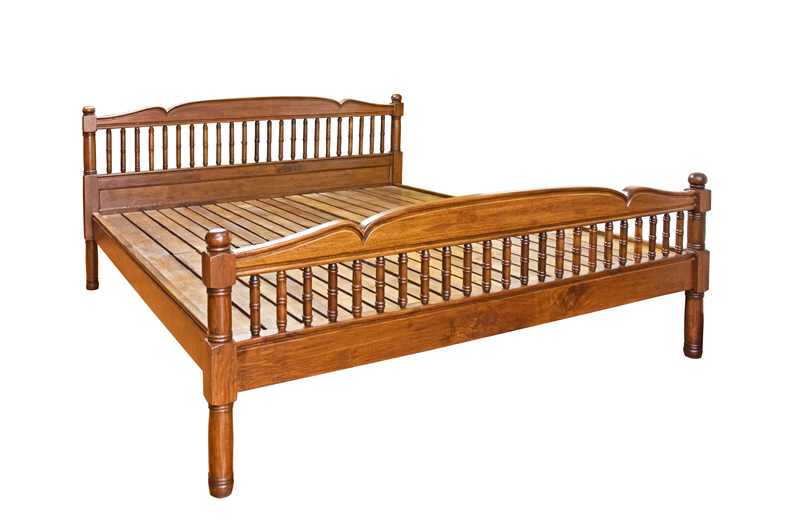
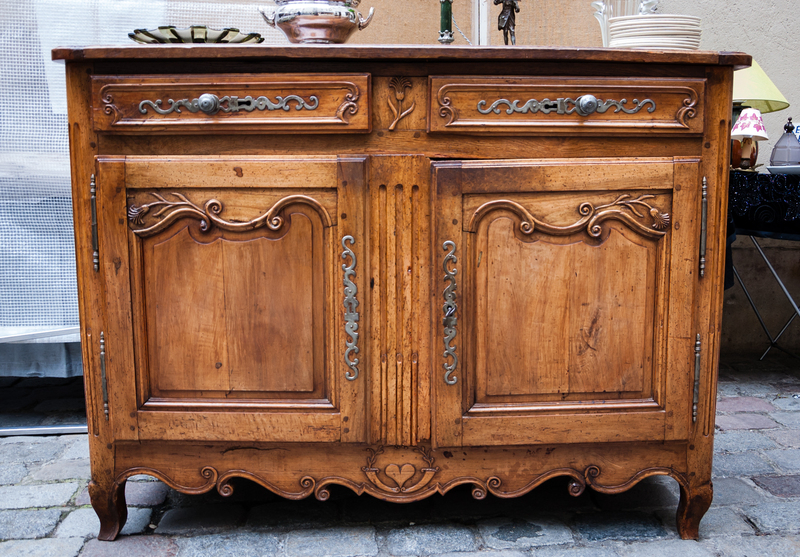
Bulky items often shape the pace of a clearance because they need safe carrying, careful lifting and enough space to manoeuvre. Sofas, wardrobes, beds, tables, drawers and similar pieces may be straightforward individually, but the overall job still benefits from a clear sequence. Where furniture is mixed with boxed belongings or loose household waste, we sort items so reusable contents, disposal loads and anything to be kept are separated cleanly.
If the main issue is a set of large items rather than an entire property, our furniture clearance and furniture disposal pages explain the sort of work involved. In practice, this can range from removing a few bulky pieces to clearing multiple rooms of old furniture that has reached the end of its use. It is often the most practical way to deal with heavy items that are awkward to move or no longer fit the layout of the home.
When planning this kind of job, think about door widths, staircases and any pieces that may need partial dismantling. Those details do not need to be complicated, but they help shape the quotation and the order of work. If you want to reduce the amount of handling on the day, it is worth identifying oversized items early and noting whether they are in lofts, basements or upper rooms.
Lofts, garages and other storage spaces
Storage areas can hold more than people expect, especially when they have been used for seasonal items, broken furniture, boxes from previous moves and miscellaneous household materials. A loft clearance or garage clearance is often about regaining access as much as removing contents. We can clear these spaces methodically so the remaining structure, fixtures and any items you want to keep are left in a usable condition.
For lofts, the main concern is usually access and careful handling around confined spaces, insulation or awkward stair layouts. Garages often involve mixed contents, from household overflow to tools, old packaging and worn-out items that have been left for years. The same practical approach applies to both: identify the storage zones, separate what stays from what leaves, and work through the contents in a safe sequence. Where needed, this can be combined with a wider home clearance.
Those wanting a closer look at specific space-based services can review loft clearance or garage clearance. Clear access helps, but a job does not need to be perfectly staged before an enquiry is made. A basic outline of the contents and the level of sorting required is usually enough to begin.
Support for flats, apartments and smaller properties

Flats and apartments often need a more considered clearance plan because of shared access, stairwells, lifts, communal entries and neighbour proximity. Items may need to be moved in stages, especially where there is limited turning space or where only certain rooms are being emptied. A flat clearance can therefore be very different from a larger house, even when the overall volume of contents is modest.
Our flat clearance service is suited to homes where access, storage and room layout shape the work as much as the amount of furniture itself. We can help with partial clearances and fuller removals, including contents from bedrooms, living spaces, kitchens and cupboards. That makes it useful when a flat needs to be handed back, prepared for decorating or simply cleared of items that are no longer needed.
Where a property has shared hallways or limited parking arrangements, the main thing is to note the practical constraints when asking for a quotation. A short description of the floor level, lift access and any particularly heavy items gives a better starting point than a long explanation. The clearer the access picture, the easier it is to plan the work sensibly.
Household waste, mixed rubbish and regular clearances
Not every clearance is made up of furniture and stored belongings. Some jobs involve a broader mix of bagged waste, broken items, packaging, unwanted household goods and general clutter gathered over time. In those cases, a broader waste removal approach can be the right fit because it deals with mixed loads rather than one single category of material. The important point is that the contents are described honestly so the right method can be planned.
For this type of job, our waste removal service can support clearances where the load is varied and needs organised removal rather than a quick tidy-up. If you have mixed contents across several rooms, it may also sit alongside our home clearance work. The practical outcome is the same: unwanted items are removed in an orderly way, leaving the property easier to use or prepare for its next stage.
Useful information for a quote includes the number of rooms involved, whether the material is mainly household goods or a blend of different waste types, and whether there are items that need to remain in place. There is no need to overstate the job. A concise outline is enough to start, and it is often better than guessing at what should be included. If the load is mixed, say so; that helps avoid avoidable confusion.
Office and business clearances
Although the main service here is household clearance, some customers also need contents removed from commercial spaces that have accumulated furniture, paper, storage items or obsolete equipment. Office clearances are typically shaped by desks, chairs, filing, shelving and general workspace contents, all of which may need to be dealt with in a deliberate order. As with homes, the key is to identify the items to keep, relocate or remove before the work begins.
Our office clearance and business waste removal pages set out services for workplaces that need a tidy and practical removal of unwanted contents. This can be useful where a small business is changing premises, reducing storage or clearing a room used for administration, stock or equipment. The principles are similar: minimise disruption, separate reusable items where relevant, and remove the remainder cleanly.
When a home and work space overlap, the quotation is usually easier to prepare if the job is described by area and item type rather than by broad labels. A room of paperwork and shelving is very different from a room of domestic furniture, even if both are compact. Clear description saves time and helps match the service to the actual contents.
H3 How the clearance is usually arranged

The practical side of a house clearance usually begins with the layout of the property and the type of contents present. Once the rooms, access points and main item groups are understood, the work can be organised so bulky objects, loose contents and any items to remain are separated in the right order. This reduces avoidable handling and makes it easier to work methodically through the property rather than jumping between unrelated tasks.
There are usually a few simple steps that make the process smoother:
- identify the rooms or spaces to be cleared
- note any heavy, awkward or fragile items
- separate belongings that will stay in the property
- mention stairs, lifts, tight entrances or parking restrictions
- say whether the job is partial, full or includes multiple areas
A good quotation request does not need to be long. Two or three sentences covering the scope, access and item types are often enough to start the process. If you are ready to proceed, send the basic details and we can take it from there with a clear, practical response.
Pricing factors and quotation requests
Clearance pricing is generally shaped by the amount and type of contents involved, how easy it is to access the property and whether the work is limited to selected areas or spread across an entire home. A single room of furniture is different from a whole property containing mixed household contents, loft storage and bulky items. The cleaner the description, the easier it is to prepare a quotation that reflects the actual job rather than a rough guess.
Pricing and quotes is the page to use if you want a more direct route to the commercial side of the service. It can help to mention any constraints that affect the job: top-floor access, narrow staircases, shared hallways, or items that need extra care. These details do not make the request complicated; they simply help us understand the amount of work involved and the most suitable arrangement for the clearance.
Some customers like to include a list of major items, while others prefer to describe the rooms and let the contents be discussed later. Either way is acceptable. The main aim is to keep the enquiry practical, accurate and focused on the property that needs attention. Ask for a quotation when you are ready and the scope is clear.
H3 Additional services for special clearance situations
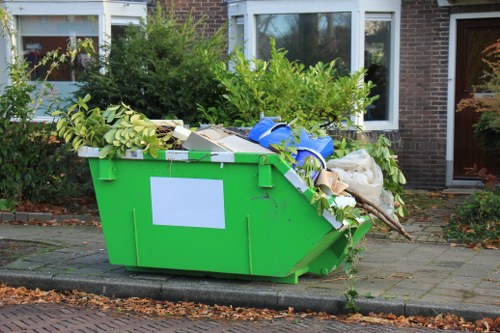
Different properties sometimes call for a slightly different emphasis, even when the overall task still falls under household clearance. A home may need a general clearance, a selective furniture removal, or a more detailed approach to rooms that have become heavily used for storage. The service can also be adapted where the contents are mainly in one area, such as a loft, garage or spare room, rather than throughout the whole property.
Specialist pages on this website can help you narrow down the most relevant service. For example, garden clearance is useful where outdoor items, pots, waste or broken furniture need to be dealt with; builders waste clearance suits post-work debris and leftover materials; and recycling and sustainability covers the approach to handling suitable materials with care. These pages sit naturally alongside house clearance because many properties involve more than one kind of removal task.
If you are unsure which page best matches the contents, start with the room or area that feels most significant and describe the items in ordinary terms. A hallway piled with household goods, a shed of old equipment or a lounge full of unwanted furniture each points to a slightly different starting point. A brief note is enough, and the discussion can be refined once the main scope is clear.
About St Johns Wood
St Johns Wood is a residential district in northwest London, known for a mix of elegant terrace streets, mansion blocks and calm tree-lined roads close to Regent’s Park. The area developed significantly in the nineteenth century as London expanded west and north, and its built character still reflects that period in many streets, with stucco-fronted houses, garden squares and larger apartment buildings creating a quieter urban pattern than the busier roads nearby. Abbey Road is one of the best-known streets associated with the district, drawing interest for its cultural connections as well as its everyday neighbourhood life. The area sits within the City of Westminster and has long been regarded as a comparatively affluent part of central London, yet it remains broadly residential in feel, with local shops, cafés and services serving nearby residents rather than large-scale commercial activity.