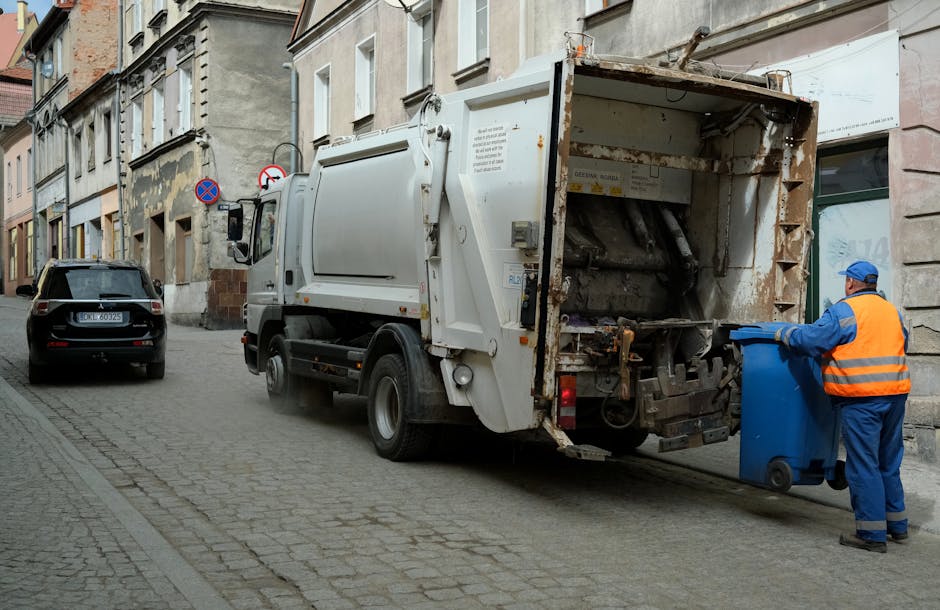
St Johns Wood rubbish removal guide for Abbey Road homes
If you live near Abbey Road, rubbish has a habit of building up quietly, then suddenly becoming a proper nuisance. One old sofa in the hallway. A few bags in the boot room. A loft that somehow turned into a storage museum. This St Johns Wood rubbish removal guide for Abbey Road homes is here to make the process feel simple, calm, and actually manageable.
Whether you are clearing out a flat, tidying a family house, dealing with post-renovation debris, or just trying to get your space back before visitors arrive, the right approach saves time, stress, and a fair bit of lifting. It also helps you avoid the awkward bits: access issues, sorting what can and cannot go together, and choosing a service that fits the property rather than fighting it.
Below, you will find a practical local guide that covers how rubbish removal works, what matters most for Abbey Road homes, common mistakes, and how to choose the best method for your situation. Nothing fluffy. Just useful detail you can act on.
Table of Contents
- Why rubbish removal matters for Abbey Road homes
- How the process works in practice
- Key benefits and practical advantages
- Who this is for and when it makes sense
- Step-by-step guidance
- Expert tips for better results
- Common mistakes to avoid
- Tools, resources and recommendations
- Law, compliance and best practice
- Options, methods and comparison table
- Case study or real-world example
- Practical checklist
- Conclusion
- Frequently asked questions
Why St Johns Wood rubbish removal guide for Abbey Road homes Matters
Abbey Road and the wider St Johns Wood area have a very particular housing mix. You get mansion flats, converted buildings, elegant terraces, compact upper-floor homes, and properties with tight stairwells or limited parking. That matters more than people expect. A rubbish removal job that looks straightforward on paper can become tricky once you factor in narrow entrances, shared hallways, lift restrictions, or loading access that disappears right when you need it.
There is also the local lifestyle side of it. Homes here are often busy, lived-in spaces rather than empty shells. Families, professionals, landlords, and long-term residents all tend to value speed, discretion, and minimal disruption. You do not usually want a drawn-out clearance dragging on for half a day if it can be handled properly in one organised visit.
Truth be told, the biggest issue is not the rubbish itself. It is the friction around moving it. Heavy furniture. Dust from old storage. A few fragile items tucked behind a stack of boxes. Then the realisation that one person with a bin bag was never going to be enough. That is where a structured rubbish removal approach becomes useful.
It also helps with safety. Loose items in hallways, broken furniture, damaged packaging, and building waste can all create trip hazards. For a family home, that is inconvenient. For a rental or shared property, it can be worse. Getting it cleared properly protects the space and makes the place feel breathable again. Sometimes that is the whole point, really.
How St Johns Wood rubbish removal guide for Abbey Road homes Works
In simple terms, rubbish removal means collecting unwanted household, garden, furniture, or light building waste and taking it away for sorting, reuse, recycling, or disposal. The exact process depends on volume, access, and what kind of material is involved. For Abbey Road homes, the process usually starts with an assessment of what needs removing and how the property can be reached.
A good service will usually want to know a few basics before arriving:
- what type of waste you have
- roughly how much there is
- where the items are located in the property
- whether there are stairs, lifts, or tight access points
- if any items are especially heavy, fragile, or awkward
That sounds plain enough, but it makes a huge difference. A boxed-up loft clear-out is very different from removing wardrobes from a third-floor flat with a narrow stairwell. The clearer you are at the start, the smoother everything goes.
Many homeowners prefer a service that combines rubbish removal with other clearance support. If that is your situation, it can be worth looking at broader options such as home clearance, house clearance, or more targeted help like flat clearance. For furniture-heavy jobs, you may also find furniture disposal or furniture clearance more suitable than a general waste pickup.
Once the team arrives, they will normally separate items that can be reused or recycled from mixed rubbish that needs a different handling route. If the property involves renovation debris, a more specific option like builders waste clearance may be a better fit. If it is more of a mixed household job, general waste removal is often the simpler route.
Key Benefits and Practical Advantages
The biggest benefit is obvious: the clutter goes. But there are a few more practical advantages that are easy to overlook when you are standing in a room full of stuff and just want the job done.
- Less lifting for you. Heavy items are handled by people used to awkward staircases and bulky furniture.
- Faster turnaround. A well-planned clearance can save several trips to a tip or recycling point.
- Better use of space. Clearing out one room often changes how the whole home feels.
- More suitable for flats and shared buildings. Professional removal is often easier than trying to move rubbish through communal areas yourself.
- Cleaner sorting. Reusable, recyclable, and disposable items can be separated more sensibly.
- Reduced stress. No renting a van, no second-guessing loading rules, no wondering if you have overfilled the car again.
To be fair, the psychological benefit can be just as useful as the physical one. A cluttered loft or spare room tends to nag at you. Once it is cleared, you stop thinking about it every time you walk past the door. That is a small thing, but it matters.
For some households, the gain is also practical in a very immediate way. Perhaps you need a room ready for a new arrival. Or you are preparing a property for sale and want it to present better. Or the estate agent has said, gently but firmly, that the place needs breathing room. Whatever the reason, a tidy space often creates momentum for the next step.
Who This Is For and When It Makes Sense
This kind of rubbish removal makes sense for a wide range of people, but especially for Abbey Road homes where access and convenience matter. You may be in one of these situations:
- you are clearing a flat after a move
- you have furniture that is too large to move on your own
- you are sorting a loft, cellar, or storage space
- you have garden waste after a seasonal tidy-up
- you are dealing with old renovation debris or packaging
- you manage a rental property and need a quick turnaround
- you are helping a relative downsize and need the process handled gently
It also makes sense when the job is emotionally harder than it looks. Clearing a home after years of living in it is not just about lifting boxes. There are memories in the mix, and that can slow everything down. A steady, structured approach helps. So does having someone else handle the removal side while you focus on decisions.
If you are clearing a specific space rather than the whole property, a more tailored service may fit better. For example, loft clearance suits forgotten storage spaces, while garage clearance is better for mixed bulky items, old tools, and odds and ends that have accumulated over time. For business premises nearby, office clearance and business waste removal are the more relevant routes.
Step-by-Step Guidance
If you want the smoothest possible result, work through the job in stages. It is less glamorous than simply "getting rid of the rubbish", but far more effective.
- Walk through the property. Check every room, cupboard, shed, loft space, and hallway. People always miss something in the first pass. Always.
- Separate the obvious categories. Keep furniture, general rubbish, garden waste, and construction debris apart where possible. Mixed waste can be more awkward to handle.
- Identify anything sensitive. Look for documents, personal photos, electronics, valuables, or sentimental items before anything gets moved.
- Measure bulky items if needed. Large wardrobes and sofas may need careful planning, especially in stair-heavy buildings.
- Check access. Note parking, entrance width, lift use, and any communal rules that may affect loading.
- Choose the right clearance type. A general waste job is not always the best fit if the main issue is furniture, builders waste, or garden debris.
- Book a service that suits the property. The right team should be able to handle awkward access without turning the building into a scene.
- Be present, if you can. Even a brief walk-through at the start helps avoid confusion about what stays and what goes.
One small but useful habit: take a few photos of the items before collection. Not for drama, just for clarity. It helps if you are comparing quotes or making sure the team understands the scale of the job. And yes, it saves the old "I thought that was included" conversation. Nobody enjoys that one.
If you want to understand pricing or what to expect before booking, the service page on pricing and quotes is a useful place to start. For background on how jobs are managed, their about us page can also help you judge whether the company feels like a good fit.
Expert Tips for Better Results
Here are the practical details that make a real difference. None of them are complicated, but they save time and reduce mistakes.
- Keep a "do not move" area. Label or isolate anything that must stay. A taped corner in the room is often enough.
- Group similar items together. Furniture with furniture, rubbish with rubbish, garden waste in one place. It makes the loading process cleaner.
- Check fragile surfaces first. In older St Johns Wood properties, walls, bannisters, and floors may need extra care while moving items out.
- Plan around neighbours. Shared entrances and narrow hallways are common. A quieter, tidier pickup window is usually appreciated.
- Think about future use. If you are clearing a room to redecorate, stage it in the order of the next job. Empty room first, then repairs, then decoration.
- Ask about recycling routes. It is worth knowing what happens after collection, especially if you want a more sustainable clearance.
For jobs involving outdoor areas, the same logic applies. A garden pile that includes branches, soil bags, old planters, and broken outdoor furniture should be sorted before collection if possible. The more the waste is grouped, the less friction there is on the day. Small effort, big payoff.
If you are concerned about disposal methods, you may want to review the company's recycling and sustainability approach. If you are handling a more seasonal outdoor job, garden clearance may be more suitable than general rubbish removal.
Common Mistakes to Avoid
A lot of rubbish removal headaches come from avoidable mistakes. Most are simple, but they crop up all the time.
- Leaving sorting until the day of collection. That usually slows everything down and increases the chance of items being missed.
- Underestimating access problems. A job that looks easy from the street may be awkward once you face stairs, lifts, and parking restrictions.
- Mixing everything together. Furniture, rubble, electronics, and general waste all have different handling needs.
- Forgetting personal items. Drawers, pockets, and storage boxes often hide things you did not mean to throw away.
- Choosing the wrong service type. A loft job is not the same as a builder waste job, and a flat clearance is not the same as a garden tidy-up.
- Not checking payment or terms early. It is better to understand the process before the van arrives, not after.
Here is the one that catches people out most often: assuming a quick job is automatically a cheap job. Not always. Awkward access, heavy items, or mixed waste can change the work involved. Better to ask properly than guess and be disappointed later.
It is also worth avoiding the temptation to rush sentimental clear-outs. In real life, people find old letters, birthday cards, and photo albums halfway through a garage job and suddenly need five minutes, or twenty. That is normal. No need to bulldoze the process.
Tools, Resources and Recommendations
You do not need much to prepare well, but a few simple tools make the job easier.
- strong bin bags or rubble sacks
- sticky labels or masking tape
- a marker pen for room labels
- gloves for sorting dusty storage spaces
- basic measuring tape for bulky furniture
- a phone camera for quick item photos
On the service side, it helps to use the website pages that match your situation rather than treating every clearance as the same thing. For example, a home-based job may suit home clearance, while old seating and tables may be better handled through furniture clearance. If you are dealing with a larger household or a full property turnover, house clearance often gives a more complete solution.
For reassurance around how bookings and customer details are handled, it can be sensible to read the site's privacy policy, payment and security, and terms and conditions. That is boring reading, admittedly, but it answers questions people usually only think to ask when something goes sideways.
Expert summary: the best rubbish removal jobs are rarely the ones with the biggest lorry. They are the ones where the waste is sorted clearly, access is thought through, and the service matches the actual property. Abbey Road homes often reward that extra bit of planning.
Law, Compliance, Standards, or Best Practice
When rubbish is collected from a home in the UK, it should be handled responsibly and in line with accepted waste management practice. You do not need to become a legal expert to book a clearance, but you should expect the operator to understand proper disposal, safe handling, and appropriate sorting of materials. If anything feels vague, ask questions. That is fair enough.
For residents, the main practical points are straightforward:
- do not leave waste in communal areas for long periods
- make sure anything hazardous is identified before collection
- do not assume all items can be mixed together
- use a provider that is clear about how waste is managed
- check that personal data or documents are removed before disposal
Best practice also matters in older properties and shared buildings, where hallways, lifts, and entrances must stay safe for neighbours. The sensible approach is to protect walls and floors during removal, avoid blocking exits, and keep noise and disruption to a minimum. That is not just polite; it is the right way to work.
If the clearance involves potentially sensitive site conditions, such as heavy loads, narrow staircases, or jobs that require careful manual handling, you may also want to review the company's health and safety policy and insurance and safety information. Those pages can help you judge whether the provider takes the practical side seriously, not just the marketing side.
For businesses or landlords managing repeated waste needs, it is sensible to use a service model designed for ongoing collection rather than assuming a one-off domestic setup will do the same job. In that case, business waste removal may be a better fit.
Options, Methods, or Comparison Table
Not every rubbish problem needs the same solution. Sometimes a simple waste pickup is enough. Sometimes a fuller clearance is the cleaner, smarter choice. Here is a practical comparison.
| Option | Best for | Pros | Watch out for | |
|---|---|---|---|---|
| General waste removal | Mixed household rubbish, bags, small clutter | Simple and flexible | Less ideal for bulky furniture or full-room clear-outs | |
| Furniture clearance | Sofas, beds, wardrobes, tables | Good for heavy items and awkward lifting | May not suit mixed rubbish and renovation waste | |
| Flat clearance | Flats, apartments, converted buildings | Useful where access is tight | Needs clear access planning | |
| House clearance | Full or partial property clearances | More comprehensive | Can be more involved if the property is very full | |
| Loft or garage clearance | Storage spaces with accumulated items | Targets the mess at source | Dusty, cramped access can slow things down | |
| Builders waste clearance | Renovation debris, rubble, packaging | Better for post-work cleanup | Needs proper waste separation |
If you are unsure which route is best, think about the dominant problem. Is it mostly bulky furniture? Then furniture clearance. Mostly boxes and household clutter? Probably home or house clearance. Mostly post-refurbishment mess? Builders waste clearance. That one simple question tends to point people in the right direction.
Case Study or Real-World Example
Here is a realistic example from the sort of job that comes up often in St Johns Wood.
A resident in an Abbey Road flat had a spare room that had quietly become storage for old chairs, broken shelves, boxes of books, and a treadmill that no one had used in years. The room was technically still a room, but only just. The main challenge was not the weight of any one item; it was the narrow access through the hallway and the need to avoid disturbing neighbours in a shared building.
The solution was to sort the items into three groups before collection: furniture, general household waste, and items to keep. That meant the team could move through the property with less stop-start confusion. The larger items were handled first, the smaller waste followed, and the keep pile stayed in one labelled corner. The job became much more manageable once the room was not working against everyone.
That is often how these clearances go. Not dramatic. Just practical. A little preparation, a bit of honesty about access, and the whole thing becomes less of a job and more of a reset. By the end, the room felt different in a way that is hard to describe until you see it. Airier, for one thing. Less tense, oddly enough.
Practical Checklist
Use this quick checklist before booking rubbish removal for an Abbey Road home:
- Identify what type of waste you have
- Separate furniture, general waste, garden waste, and builders waste
- Remove valuables, paperwork, and sentimental items first
- Check stair access, lift access, and parking space
- Measure any extra-large items
- Decide whether you need a full clearance or a partial one
- Ask how the waste will be handled after collection
- Review pricing, payment, and terms before confirming
- Make sure communal areas stay clear
- Keep a contact number handy on collection day
Quick practical reminder: if the job feels bigger than a normal tidy-up, it probably is. That is not a problem. It just means the plan should match the scale of the mess.
Conclusion
The best St Johns Wood rubbish removal guide for Abbey Road homes is the one that helps you get from cluttered to clear without making life harder than it needs to be. In this part of London, the properties themselves often decide the approach: stairs, access, shared hallways, delicate surfaces, and the occasional bulky item that refuses to move gracefully. The right clearance plan respects all of that.
Start by identifying the waste, choosing the right service type, and planning access properly. That alone will save you time and avoid most of the common frustrations. If you want a more organised, less stressful way to clear a flat, house, loft, garage, or mixed household load, a structured removal service is usually the simplest route.
Get a free quote today and see how much you can save.
And if you are still standing in a room wondering where to begin, begin small. One corner, one bag, one decision. The rest has a way of following.
Frequently Asked Questions
What is the best rubbish removal option for Abbey Road homes?
It depends on the job. General waste removal suits mixed household rubbish, while flat clearance, house clearance, or furniture disposal is better for bigger or more specific jobs. The right choice usually comes down to what takes up most of the space.
How do I know if I need house clearance or waste removal?
If you are clearing a significant part of a property, especially with furniture and multiple room contents, house clearance may be more appropriate. If it is mostly bags, loose rubbish, or smaller mixed waste, general waste removal may be enough.
Can rubbish removal work for flats with narrow staircases?
Yes, provided the access details are shared in advance. Narrow stairs, lifts, and communal entrances are common in St Johns Wood, so it helps to explain the layout before booking.
What kinds of waste should be separated before collection?
Furniture, general household waste, garden waste, and builders waste should ideally be grouped separately. This makes loading easier and helps the team handle the waste more efficiently.
Do I need to be at home during collection?
Not always, but it is often helpful. Being present for a quick walk-through at the start can prevent confusion about what stays and what goes. If you cannot be there, clear instructions matter even more.
Is furniture disposal different from general rubbish removal?
Yes. Large furniture often needs more lifting, more space, and a different handling approach. If most of your waste is bulky items, a dedicated furniture clearance or furniture disposal service usually makes more sense.
What should I do with items I want to keep?
Move them to a separate room or clearly label them before the clearance begins. In busy homes, it is surprisingly easy for keep items to get mixed into the wrong pile if they are not set aside early.
How far in advance should I plan a clearance?
For a simple job, not long at all. For a larger home, a loft clear-out, or a property with awkward access, it is better to plan ahead so you can sort items properly and avoid rushing on the day.
Can rubbish removal help after renovation work?
Yes. If you have rubble, packaging, offcuts, or mixed debris after building work, builders waste clearance is usually the more suitable option. General household removal is not always the best match for construction residue.
What makes rubbish removal easier in Abbey Road properties?
Clear access, early sorting, and choosing the right type of clearance all make a big difference. In older or multi-storey homes, a little planning saves a lot of lifting and a fair amount of stress too.
How do I know a provider is trustworthy?
Look for clear service descriptions, transparent pricing information, and straightforward terms. Pages such as about us, pricing and quotes, health and safety policy, and recycling and sustainability help you judge the overall standard.
What is the quickest way to start if I feel overwhelmed?
Start with one room or one category of waste. Do not try to solve the whole house in one breath. A small first step is usually enough to create momentum, and once that starts, the rest tends to feel more manageable.