Builders Waste Clearance in Stjohnswood: Efficient and Eco-Friendly Solutions
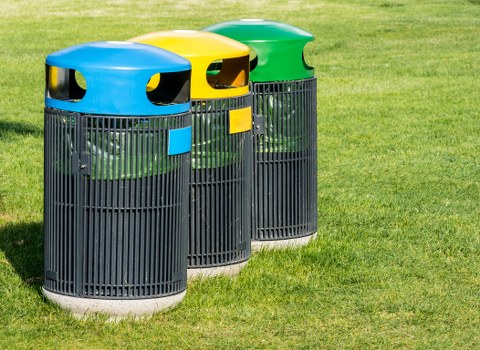
Three cylindrical outdoor rubbish bins with slatted black bodies are positioned on a grassy area in St Johns Wood. Each bin features a brightly coloured, rounded lid in blue, yellow, and green, with small openings for waste disposal. The textured plastic surfaces of the bins contrast with the vibrant, smooth finishes of the lids. The bins are aligned in a slight curve, with the blue-lidded bin on the left, the yellow in the middle, and the green on the right, set against a backdrop of well-maintained green grass, suggesting a park or communal outdoor space. The scene appears well-lit, showing clear details of the materials and colours, and subtly reflects the type of waste collection service provided by St Johns Wood House Clearance in NW8. This image visually relates to rubbish or waste disposal solutions offered in the local area, with no other objects or background features visible.

When it comes to builders waste clearance in Stjohnswood, ensuring a clean and safe environment is paramount. Construction projects, whether large or small, generate a significant amount of waste that needs to be managed responsibly. Proper waste clearance not only maintains the aesthetic appeal of the area but also adheres to environmental regulations.

Understanding the types of waste generated during construction is the first step towards effective waste management. From concrete rubble to excess timber, each material requires specific handling and disposal methods. This article delves into the essentials of builders waste clearance in Stjohnswood, providing you with comprehensive insights and practical solutions.

Choosing the right waste clearance service can make a substantial difference in the efficiency and sustainability of your construction project. With numerous providers available, it's crucial to select a service that aligns with your project's needs and environmental standards.
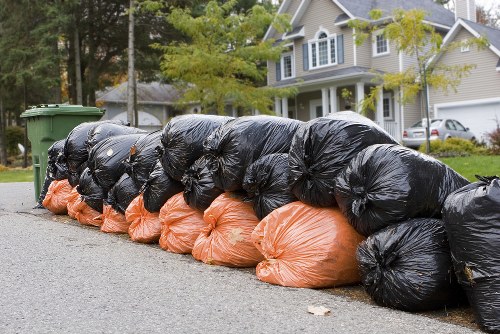
A row of tightly packed black and orange rubbish bags filled with waste, lined up along the edge of a residential street in St Johns Wood, next to a green wheelie bin. The bags are stacked in two layers, with the black bags on top and the orange bags at the bottom, and appear to contain household or garden waste. Behind the waste bags, there are a paved driveway, a green lawn, and a large, light-colored, multi-story house with multiple windows, gabled roofs, and a front porch, set amidst lush green trees and shrubs. The scene is outdoors during daylight, with natural light illuminating the area, indicating a typical suburban environment in North West London, where St Johns Wood is located. This image exemplifies the type of waste clearance services offered by St Johns Wood House Clearance, particularly for domestic rubbish collection and disposal in the local area.

The Importance of Builders Waste Clearance

Effective waste clearance is not just about tidiness; it's about safety and environmental responsibility. Accumulated construction waste can pose hazards to workers and the surrounding community. Proper disposal prevents potential accidents, reduces the risk of pollution, and ensures compliance with local regulations.

Moreover, responsible waste management contributes to sustainability. By recycling materials and reducing landfill usage, construction projects can minimize their environmental footprint. This commitment to sustainability is increasingly important to clients and stakeholders who prioritize eco-friendly practices.

Implementing a robust waste clearance plan can also lead to cost savings. Efficient waste management reduces the volume of waste, potentially lowering disposal fees and allowing for the recycling of valuable materials.

A close-up view of three adjacent plastic disposal bins placed on a tiled floor, likely outdoors or in a designated waste area in St John's Wood. The left bin contains several clear plastic water bottles, some with blue caps, crumpled and partially crushed. The middle bin is filled with a mixture of stainless steel tin cans, some with ridged exteriors, stacked irregularly. The right bin holds crumpled white and brown paper, possibly containing light packaging or waste materials, with some of the paper spilling slightly over the bin's edge. The bins are positioned in front of a neutral, beige-colored background, and the scene conveys a clear emphasis on recyclable waste separation, aligned with rubbish removal services offered by St Johns Wood House Clearance. The overall environment appears organized and neat, suitable for waste collection and clearance activities within the local area.

Types of Waste Generated in Construction

1. Concrete and Masonry

Concrete remnants and masonry debris are common in construction sites. These materials are heavy and require specialized handling to ensure safe disposal or recycling.

2. Timber and Wood

Excess timber and wooden structures often end up as waste. Proper segregation allows for the reuse or recycling of these materials, promoting sustainability.

3. Metals

Metals such as steel and aluminum can be recycled efficiently. Sorting metals from other waste streams facilitates their reuse in future projects.
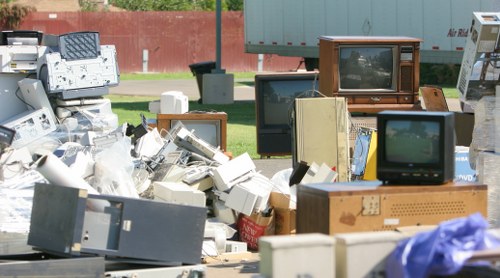
The image displays a large collection of discarded electronic waste and miscellaneous household items arranged outdoors on a paved surface, likely on a driveway or a designated waste collection area near a residential or commercial setting. The pile includes numerous outdated CRT televisions with wooden and plastic casings, some with visible screens and control dials, intermingled with various computer monitors, some with visible screens and others with open cases. Additionally, there are smaller electronic devices, tangled cables, and plastic packaging scattered throughout. The background shows a green grassy area with a red brick or painted wall, and a grey structure or shipping container, indicating an outdoor waste clearance site in the vicinity of Stjohnswood. The scene appears to be a collection point for rubbish removal services, possibly managed by St Johns Wood House Clearance, indicating efforts to dispose of electronic waste responsibly as part of their rubbish clearance operations in the local area.

Methods of Waste Clearance

There are several methods for managing construction waste, each with its own advantages:

  • Recycling: Reprocessing materials like metal and wood for reuse.
  • Landfilling: Disposing of non-recyclable waste in designated landfills.
  • Incineration: Burning waste materials, particularly hazardous ones, under controlled conditions.

Choosing the right method depends on the type of waste, project requirements, and environmental considerations.
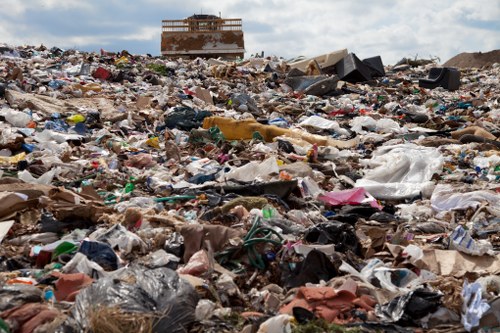
A large, uneven mound of mixed waste materials extends across the foreground of the image, containing various types of rubbish such as plastic bags, packaging, cardboard, textiles, and household waste, with some items appearing crumpled or torn. The waste is scattered loosely on the ground, creating a cluttered and chaotic scene. In the background, a partially constructed or abandoned building is visible, situated on a slight elevation above the rubbish heap. The sky above is partly cloudy with patches of blue, suggesting a daylight setting, and the overall environment indicates an outdoor area, possibly a landfill or waste disposal site near an urban or suburban location. This scene highlights the impact of unmanaged rubbish accumulation, aligning with the waste removal services offered by St Johns Wood House Clearance in the context of environmental cleanliness and waste management in London and surrounding areas.

Choosing the Right Waste Clearance Service in Stjohnswood

Selecting a reliable waste clearance provider is crucial for the success of your construction project. Here are key factors to consider:

  1. Experience: Ensure the company has a proven track record in handling construction waste.
  2. Compliance: The service should adhere to local regulations and environmental standards.
  3. Recycling Practices: Opt for providers that prioritize recycling and sustainable disposal methods.
  4. Flexibility: The ability to accommodate your project's specific needs and timelines.

By evaluating these factors, you can choose a service that not only manages waste efficiently but also supports your commitment to sustainability.

Customer Reviews and Testimonials

Reading feedback from previous clients can provide insights into the reliability and quality of the service. Look for consistently positive reviews that highlight punctuality, professionalism, and effective waste management.

The Benefits of Professional Waste Clearance

Engaging professional waste clearance services offers numerous advantages:

  • Efficiency: Experienced providers can manage waste swiftly, reducing project delays.
  • Safety: Proper handling minimizes the risk of accidents on-site.
  • Environmental Impact: Sustainable practices lessen the ecological footprint of your project.
  • Cost-Effective: Efficient waste management can lower overall project costs.

These benefits highlight the importance of investing in professional waste clearance for a successful construction project.

A large, uneven mound of mixed waste materials extends across the foreground of the image, containing various types of rubbish such as plastic bags, packaging, cardboard, textiles, and household waste, with some items appearing crumpled or torn. The waste is scattered loosely on the ground, creating a cluttered and chaotic scene. In the background, a partially constructed or abandoned building is visible, situated on a slight elevation above the rubbish heap. The sky above is partly cloudy with patches of blue, suggesting a daylight setting, and the overall environment indicates an outdoor area, possibly a landfill or waste disposal site near an urban or suburban location. This scene highlights the impact of unmanaged rubbish accumulation, aligning with the waste removal services offered by St Johns Wood House Clearance in the context of environmental cleanliness and waste management in London and surrounding areas.

Environmental Considerations

Minimizing the environmental impact of construction waste is essential. Implementing eco-friendly practices such as recycling, reusing materials, and reducing waste generation can significantly contribute to sustainability.

Additionally, choosing a waste clearance service that prioritizes green practices ensures that your project aligns with environmental regulations and promotes positive community relations.

Recycling Initiatives

Recycling construction waste not only conserves natural resources but also reduces the burden on landfills. Materials like metal, wood, and concrete can be repurposed, fostering a circular economy within the construction industry.

Cost of Builders Waste Clearance

The cost of waste clearance services can vary based on several factors:

  • Volume of Waste: Larger projects generate more waste, potentially increasing costs.
  • Type of Waste: Hazardous materials may require specialized handling, affecting pricing.
  • Service Frequency: Regular waste collection can optimize costs through economies of scale.
  • Location: Accessibility and distance from the disposal site can influence fees.

It's advisable to obtain quotes from multiple providers to compare services and ensure you receive competitive pricing without compromising on quality.

Frequently Asked Questions

1. What is builders waste clearance?

Builders waste clearance involves the removal and disposal of waste materials generated during construction or renovation projects. This includes debris like concrete, wood, metals, and packaging materials.

2. Why is waste clearance important?

Proper waste management ensures site safety, environmental protection, and compliance with local regulations. It also promotes sustainability by enabling recycling and reducing landfill usage.

3. How do I choose a waste clearance service?

Consider factors such as the provider's experience, compliance with regulations, recycling practices, and customer reviews. Ensure they can cater to your specific project needs.

4. Can construction waste be recycled?

Yes, many construction materials like metal, wood, and concrete can be recycled. Recycling helps conserve resources and reduces the environmental impact of your project.

Conclusion

Effective builders waste clearance in Stjohnswood is integral to the success and sustainability of any construction project. By partnering with professional waste management services, you can ensure a clean, safe, and environmentally responsible worksite.

Investing in proper waste clearance not only enhances the efficiency of your project but also demonstrates your commitment to eco-friendly practices. Don't compromise on waste management—contact us today to book your builders waste clearance service and take the first step towards a cleaner, greener construction site.

Call Now!
St Johns Wood House Clearance

Discover St Johns Wood House Clearance services offering efficient, reliable, and environmentally responsible property clearance tailored to your needs.

Book Your House Clearance Now

Get In Touch With Us.

Please fill out the form and we will get back to you as soon as possible.