Practical Tips to Cut Down Household Waste Efficiently
Reducing household waste is an essential step towards living a more sustainable and mindful life. By cutting down on unnecessary disposable items and making eco-conscious choices, you can significantly lessen your environmental impact. Not only does reducing waste help the planet, but it also saves money, promotes a healthier home, and fosters a more thoughtful approach to consumption. In this article, discover practical tips to cut down household waste efficiently and learn how to build better habits for a greener future.
Why Should You Cut Down Household Waste?
The average household generates a considerable amount of waste each year. Most of it ends up in landfills, contributing to pollution, greenhouse gas emissions, and resource depletion. Reducing household waste is a simple yet effective way to minimize your ecological footprint. Here are just a few key reasons why every family should strive to cut down household waste efficiently:
- Environmental Protection: Less waste means fewer resources depleted and less pollution generated.
- Cost Savings: Buying less, reusing, and recycling reduce your spending over time.
- Health Benefits: Green cleaning products and fresh food lead to a healthier living environment.
- Space Saving: Decluttering and streamlined shopping habits create more living space and reduce mess.
- Setting an Example: Teaching children responsible consumption shapes the leaders of tomorrow.

Understanding Household Waste: The Main Culprits
Before you can effectively minimize household waste, it's important to recognize what makes up the bulk of garbage in most homes. The most common forms include:
- Food Waste: Expired groceries, kitchen scraps, leftovers, and spoiled produce.
- Packaging Waste: Single-use plastic wrapping, containers, and boxes from processed food and online shopping.
- Paper Waste: Receipts, mail, napkins, paper towels, and excessive packaging from products.
- Plastic Waste: Water bottles, straws, shopping bags, and various containers.
- Glass and Metal: Bottles, cans, and jars from food and drinks.
- Textile Waste: Unwanted clothes, shoes, and linens.
- Electronics and Batteries: Broken gadgets, used batteries, and e-waste.
Identifying the top sources of waste in your home is the first step towards reducing household waste efficiently.
Practical Tips to Cut Down Household Waste Efficiently
Here are comprehensive, actionable tips for minimizing waste at home and living a more sustainable lifestyle:
1. Reassess Your Shopping Habits
- Make a Shopping List. Plan your meals and necessities before heading to the store. This reduces impulse purchases and food waste.
- Buy in Bulk. Purchase bulk items, especially staples, using your own reusable containers. It not only cuts packaging waste but often saves money.
- Support Local Markets. Buy fresh produce from farmers' markets, which typically use less packaging than supermarkets.
- Avoid Single-Use Products. Opt for products with minimal or compostable packaging.
- Shop Second-Hand. Thrift stores and online marketplaces are excellent for clothing, furniture, and electronics.
2. Embrace Reusable Alternatives
- Reusable Shopping Bags. Keep cloth bags handy in your car or by your door to avoid plastic bags.
- Reusable Water Bottles and Coffee Cups. Switch to stainless steel or glass rather than single-use cups and bottles.
- Swap Out Disposables. Replace paper towels with cloth, and use beeswax wraps instead of plastic wrap.
- Durable Food Containers. Invest in glass, silicone, or stainless steel lunchboxes and containers.
3. Reduce Food Waste
Food waste is a significant part of household garbage. Here's how to cut down on food waste efficiently:
- Meal Planning. Map out your week's meals, use older ingredients first, and cook in batches to reduce leftovers.
- Smart Storage. Store produce properly (e.g., keep herbs in water, potatoes in a cool dark place) to extend shelf life.
- Understand Expiry Dates. "Best by" is not the same as "use by". Many foods are still safe and good beyond these labels.
- Compost Food Scraps. Start a countertop compost bin or outdoor compost pile to turn scraps into valuable garden soil.
- Creative Cooking. Turn wilted vegetables into soups or smoothies; use stale bread for croutons or breadcrumbs.
4. Composting: Transforming Waste into Resource
Composting is a powerful way to reduce waste at home and enrich your garden. Here's how to get started:
- Choose Your Method: Indoor (vermicomposting) or outdoor (traditional heap or bin).
- Know What to Compost: Fruit and vegetable scraps, coffee grounds, eggshells, yard clippings, and more.
- Avoid Composting: Meat, dairy, oils, and diseased plants, which attract pests and slow decomposition.
- Turn and Water: Aerate the pile and keep it moist for speedy breakdown.
You'll significantly minimize household waste and generate nutrient-rich compost for plants.
5. Rethink Packaging and Single-Use Items
- Minimize Takeout Packaging. Choose restaurants with sustainable packaging or bring your own containers for takeout.
- Bulk Purchases. Favor stores with bulk bins for grains, nuts, spices, and snacks.
- Buy Refills. Many cleaning and soap brands offer refill packs to reduce plastic bottles.
- Say No to Small Packets. Avoid single-serving snacks and condiments; buy larger containers and portion at home.
6. Donate, Sell, or Repurpose
- Donate Usable Goods. Clothes, toys, electronics, books, and furniture can be given to charities or shelters.
- Sell Online. Use second-hand platforms to find new homes for your unwanted items.
- DIY Projects. Repurpose glass jars as organizers, or turn old t-shirts into cleaning rags or tote bags.
- Host a Swap Party. Exchange items with friends and neighbors to breathe new life into unused possessions.
7. Adopt Paperless Practices
- Opt for Digital Bills. Switch to electronic bank statements, bills, and receipts.
- Reusable Napkins and Towels. Replace paper napkins and towels with washable fabric alternatives.
- Limit Printing. Only print documents when necessary, and use both sides of the paper when you do.
- Unsubscribe from Junk Mail. Remove your address from direct mailing lists and opt out of unnecessary catalogs.
8. Make Eco-Friendly Cleaning Choices
- DIY Cleaning Solutions. Make your own cleaners with household items like vinegar and baking soda.
- Refillable Cleaners. Choose brands that offer refill packs or allow you to reuse their original containers.
- Compostable Sponges and Brushes. Switch to biodegradable cloths and brushes over plastic-based ones.
9. Educate and Involve the Family
Reducing household waste efficiently works best when everyone is part of the effort:
- Teach Kids. Explain recycling, composting, and why reducing waste matters in fun, relatable ways.
- Assign Family Tasks. Rotate tasks like sorting recycling, taking out compost, or planning zero-waste meals.
- Lead by Example. Children learn more from actions than words; demonstrate thoughtfulness in your own choices.
Advanced Tips: Going the Extra Mile in Waste Reduction
Once you've established basic habits, enhance your household waste reduction journey further with these advanced strategies:
1. Zero-Waste Lifestyle Swaps
- Refill Stations. Use local refill shops for everything from shampoo to detergents.
- DIY Personal Care Products. Make toothpaste, deodorant, and lotions at home to cut down on cosmetic packaging.
- Eco-Friendly Period Products. Switch to menstrual cups, reusable pads, or period underwear.
2. Energy and Electronics Waste
- Recycle E-Waste Responsibly. Use certified collection programs for old phones, laptops, and batteries.
- Upgrade Smartly. Only replace gadgets when necessary and choose models designed for repair and longevity.
3. Innovate in the Garden and Kitchen
- Grow Your Own Food. Even herbs on a windowsill reduce produce packaging and food miles.
- Preserve and Ferment. Freeze, pickle, or can surplus fruits and veggies to avoid spoilage.
4. Get Involved Locally
- Join Community Cleanups. Participate in local efforts to reduce litter and inspire change.
- Lobby for Better Policies. Support initiatives for improved recycling, composting, or plastic bans in your area.
Common Mistakes to Avoid When Cutting Down Household Waste
While striving to reduce household waste efficiently, you might encounter a few pitfalls. Here's how to avoid them:
- Overcomplicating the Process: Start with small changes rather than overhauling your lifestyle all at once.
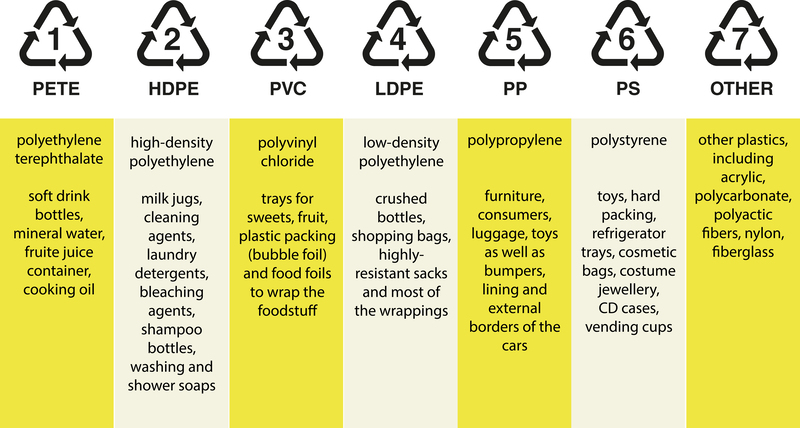
- Ignoring Recycling Instructions: Improper recycling can contaminate entire batches--always check local guidelines.
- Eco-Guilt: Don't strive for perfection. Progress, not perfection, is the true goal.
- One-Size-Fits-All Approaches: Adapt strategies to what's feasible for your family, space, and budget.
The Benefits of Efficient Household Waste Reduction
Adopting practical methods to minimize household waste benefits more than just the environment. Here's what you gain:
- Financial Savings. Less buying means more saving. Bulk and reusable items often cost less over time.
- Healthier Lifestyle. Fresh, homemade foods and green cleaning lead to a healthier environment for your family.
- Greater Community Connection. Donating, swapping, and buying local foster neighborhood ties.
- Environmental Impact. Every item you reuse, compost, or donate keeps waste out of landfills and oceans.
Conclusion: Start Your Zero-Waste Journey Today
Cutting down household waste efficiently doesn't require drastic changes overnight. Instead, it's a journey built on thoughtful choices, a willingness to try new habits, and a commitment to improvement. Start with a few small actions from the list above, involve your family, and keep moving towards a waste-free lifestyle. Not only will you save money and reduce clutter, but you'll also contribute to a cleaner, healthier, and more sustainable world. Your efforts, no matter how small, truly make a difference!
Take Action Today
Begin by picking just one of these practical tips to cut down household waste efficiently. With every step, you shape a better home--and a better planet for generations to come.
---If you found these sustainable living tips helpful, share this article with friends and explore our other guides on waste management, recycling strategies, and eco-friendly home hacks. Together, we can create greener communities--one household at a time!