Innovative Strategies to Elevate Office Recycling
Innovative Strategies to Elevate Office Recycling
Today's businesses are embracing sustainability not just as a trend, but as an essential part of their culture. With increasing awareness about environmental impact, elevating office recycling programs is no longer optional--it's a necessity. This comprehensive article delves into innovative strategies to boost workplace recycling, foster employee participation, reduce waste, and build a proactive, eco-friendly office environment. Whether your company is just starting its recycling journey or looking to take existing initiatives to the next level, these actionable tips and advanced solutions will help you revolutionize your office recycling efforts.

Understanding the Importance of Office Recycling
Before implementing cutting-edge strategies, it's important to appreciate why office recycling matters. Offices are significant contributors to paper waste, electronics disposal, plastic use, and more. By elevating recycling in the workplace, businesses can:
- Reduce landfill waste
- Cut down on environmental pollution
- Lower operational costs through resource recovery
- Enhance company reputation and attract eco-conscious clients
- Boost employee morale and engagement
Now that the stakes are clear, let's explore game-changing approaches to creating a top-tier office recycling program.
1. Perform a Waste Audit for Strategic Insights
Why Auditing Matters
Waste audits are crucial starting points for any innovative recycling initiative. By analyzing current waste generation and patterns, companies gain data-driven insights to inform targeted interventions.
How to Conduct a Waste Audit:
- Gather a representative sample of office waste over a set period.
- Sort waste into key categories: paper, plastics, metals, electronics, and compostable material.
- Measure the weight/volume of each category.
- Identify frequent contaminants and under-recycled items.
- Analyze results with the team to set clear recycling goals.
A waste audit provides the essential foundation needed to elevate office recycling practices effectively and innovatively.
2. Rethink Bin Placement and Signage
Strategic Bin Placement
The placement of recycling containers plays a pivotal role in recycling rates.
- Place bins at high-traffic points: Next to printers, break rooms, entrances, and exits.
- Pair recycling bins with landfill bins: Always provide both, making recycling as convenient as trash disposal.
- Utilize desk-side bins: Personal recycling bins boost participation, especially for paper waste.
Innovative Signage
Clear, creative signage is proven to increase correct recycling.
- Use color-coded labels and large, easy-to-read font.
- Add images to aid non-native speakers and visual learners.
- Display common mistakes (e.g., coffee cups in paper bins), educating staff at the point of disposal.
- Test digital signage: QR codes or interactive screens that provide up-to-date recycling instructions.
3. Adopt Smart Waste Management Technology
Automated and Connected Bins
Smart bins and IoT (Internet of Things) solutions are revolutionizing office recycling.
- Install sensor-enabled bins that notify cleaning staff when they're full, optimizing pickup routes for fewer emissions.
- Use AI-powered waste sorters that identify and segregate recyclables automatically, increasing purity and value.
- Employ smart waste tracking apps that allow employees to see real-time recycling rates and set up team challenges.
4. Promote Source Reduction & Reuse
Elevating recycling efforts means not just managing waste, but also reducing it at the source. Innovative offices:
- Digitize documents and promote paperless workflows to minimize paper waste.
- Encourage reusable supplies, such as mugs, bottles, and lunch containers, via company-branded giveaways.
- Establish office supply swap days--an event for employees to exchange unused office materials and electronics.
- Partner with vendors who offer take-back programs or reusable packaging.
By integrating reuse into your waste management strategy, you significantly reduce the overall volume of recyclables and trash, making office recycling systems more efficient and less costly.
5. Enhance Employee Engagement and Education
Creative Training Methods
Active staff participation is essential. Go beyond standard memos:
- Offer interactive recycling workshops or lunch-and-learns with environmental experts.
- Create engaging gamified recycling challenges, awarding points and prizes for top recyclers or departments.
- Share regular sustainability updates via newsletters, dashboards, or internal social platforms.
- Highlight "Recycling Champions" to recognize role models and motivate others.
Leadership Involvement
Having senior management participate in recycling initiatives sends a strong message of commitment and helps reinforce a green office culture.
6. Expand to Specialty Recycling Streams
The most effective office recycling programs go beyond paper and plastics. Consider these additional streams:
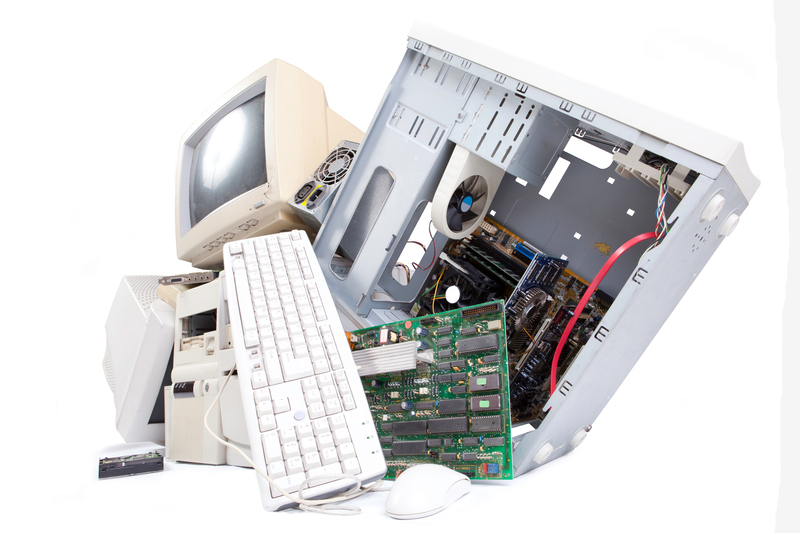
- E-waste: Establish a regular collection point for computers, batteries, and office electronics, partnering with certified recyclers.
- Composting: Set up bins for food scraps and coffee grounds, collaborating with local composting services.
- Toner cartridges and pens: Utilize manufacturer take-back programs for responsible recycling.
- Textiles and uniforms: Research local options for fabric recycling or donation.
By addressing hard-to-recycle items, you maximize your office's overall sustainability impact.
7. Leverage Data and Reporting Tools
Measure, Report, Improve
What gets measured gets managed. Implement reliable tracking for all waste streams:
- Use software platforms or partner with haulers to track tons recycled vs. landfilled.
- Analyze monthly or quarterly trends to spot areas for improvement.
- Share success metrics with staff--such as inches of paper saved or carbon emissions avoided--to keep momentum high.
- Set ambitious, achievable recycling targets based on your findings.
8. Foster Partnerships with Local Organizations
Community collaboration is a powerful way to elevate your eco-initiatives:
- Partner with local recycling programs and non-profits for up-to-date guidelines and community events.
- Host public collection drives for electronics, clothing, or hazardous materials, drawing positive attention to your brand.
- Invite guest speakers from green organizations to inspire and educate your employees.
9. Rethink Office Purchases and Procurement
Green purchasing lies at the heart of a circular office economy. Innovative offices:
- Buy recycled-content and recyclable office supplies whenever possible.
- Work with vendors that prioritize environmentally friendly packaging and delivery practices.
- Establish policies for responsible equipment and furniture purchasing--such as leasing, refurbishment, or end-of-life take-back agreements.
- Include sustainability criteria in all supplier contracts.
10. Encourage Remote and Hybrid Work Strategies
The rise of remote and hybrid work naturally reduces an office's environmental footprint. However, even at home, employees can be included in company sustainability efforts:
- Provide resources and guides for effective home office recycling and energy reduction.
- Offer mail-in programs for e-waste and used supplies generated outside the main office.
- Host virtual challenges and share sustainability tips applicable to both home and office environments.
11. Maintain a Continuous Improvement Mindset
Recycling is not a set-and-forget endeavor. Foster a culture of sustainability by:
- Regularly soliciting staff suggestions for new recycling ideas.
- Reviewing and updating recycling procedures in response to changing waste streams or new technology.
- Celebrating milestones--like achieving a certain diversion rate--with company-wide events or rewards.
Advanced Office Recycling Innovations
Zero-Waste Offices
Leading-edge workplaces are pursuing zero-waste certifications, aiming to divert 90%+ of waste from landfill. This includes rigorous separation, composting, reuse, and responsible product design.
Closed-Loop Systems
Some innovators are piloting circular initiatives: transforming old uniforms into new office supplies or compost from lunchrooms into on-site green spaces.
Carbon Offsetting Partnerships
Where recycling isn't possible, forward-thinking offices invest in carbon offsetting or community recycling projects to neutralize environmental impact.
Final Thoughts: The Business Benefits of Innovative Office Recycling
By implementing innovative strategies to elevate office recycling, organizations reap far-reaching benefits:
- Cost savings through efficient material management
- Improved employee well-being and engagement
- Enhanced public image and media recognition
- Reduced environmental footprint, making a genuine difference to our planet
Start with one or two strategies highlighted here, measure your progress, and scale up over time. By fostering a culture of environmental stewardship, your workplace can lead by example, demonstrating its strong commitment to a greener future.
Take action today to elevate your office recycling program, inspire your team, and leave a lasting sustainable legacy!