Hard Rubbish Demystified: Identification and Disposal
In the modern age of consumerism, the accumulation of hard rubbish is an inevitable reality. Hard rubbish refers to large household items that cannot be kept in standard waste bins due to their size and nature. This article aims to demystify what constitutes hard rubbish, how to identify it, and the best practices for its disposal. By the end, you'll be fully equipped to manage your hard rubbish effectively while contributing positively to the environment.
Understanding Hard Rubbish
Hard rubbish, also known as bulky waste, encompasses a variety of items that are no longer required or malfunctioning. It typically includes old furniture, mattresses, electrical appliances, and anything else that needs to be discarded because it's too cumbersome for regular collection services.
The Importance of Proper Disposal
Proper management and disposal of hard rubbish is crucial for numerous reasons:
- Environmental Protection: Correct disposal methods prevent harmful substances from leaching into the environment, contributing to pollution.
- Resource Recovery: Many components of hard rubbish can be recycled, aiding in the conservation of natural resources.
- Community Health and Safety: Accumulated waste can become a breeding ground for pests and pose health risks.

Identifying Hard Rubbish
Before disposing of any bulky waste, it's essential to determine if it indeed qualifies as hard rubbish. Here are some common types of items that fall under this category:
Furniture Items
- Old couches and sofas.
- Broken dining tables and chairs.
- Worn-out mattresses and bed frames.
Electrical Appliances
- Defunct refrigerators and freezers.
- Non-working televisions and computers.
- Household gadgets like blenders, microwaves, and toasters that are no longer functional.
Garden Waste
- Branches and logs that are too large for normal green bins.
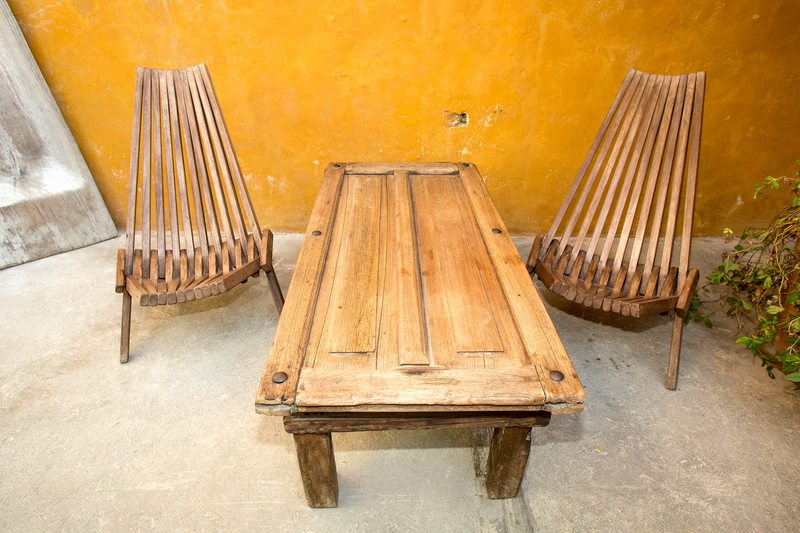
- Old garden furniture.
Other Bulky Items
- Large pieces of scrap metal.
- Building materials like bricks and tiles.
- Car pet removal waste.
Effective Hard Rubbish Disposal Techniques
Once you've identified your hard rubbish, the next step is disposal. There are various methods you can employ to ensure these items are disposed of responsibly:
Recycling Centers
Many local councils offer recycling facilities that accept certain types of hard rubbish. These centers are equipped to handle bulky waste, allowing for resource recovery. Glass, metal, and electronics can be broken down and reused, reducing the need for raw materials.
<_strong>Benefits:
- Reduces landfill waste.
- Encourages recycling efforts.
- Environmentally friendly.
Council Collection Services
Most urban areas provide an annual or bi-annual hard rubbish collection service. Residents are usually notified in advance about collection dates, and items must be placed outside for pickup according to the stipulated guidelines.
Benefits:
- Convenience of home collection.
- Encourages proper waste separation.
- Reduces illegal dumping incidents.
Donating and Repurposing
Before disposing of your hard rubbish, consider whether it can be donated or repurposed. Charities and organizations often accept second-hand furniture and electronics that are still functional. Additionally, creative repurposing can breathe new life into old items.
Benefits:
- Supports community initiatives.
- Extends the life of products.
- Reduces environmental impact.
Professional Waste Removal Services
If your items are too cumbersome to manage, hiring a professional waste removal service could be ideal. These services specialize in hauling away hard rubbish and typically offer comprehensive recycling options.
Benefits:
- Efficient and hassle-free.
- Expertise in waste management.
- Time-saving.
Conclusion
Addressing the issue of hard rubbish is not just about freeing up space in your home; it's a critical component of responsible waste management. By understanding what constitutes hard rubbish and how to dispose of it effectively, you contribute to environmental sustainability and community well-being.
Orgainize your items, reach out to local councils for collection schedules, consider recycling, or hire a professional service if necessary. With these strategies, you can manage hard rubbish with minimal impact on the environment. By making conscientious choices, not only do you help in waste reduction, but you also set a precedent for responsible waste treatment in your community.